
Sending Two Factor Authentication (2FA) codes by SMS API
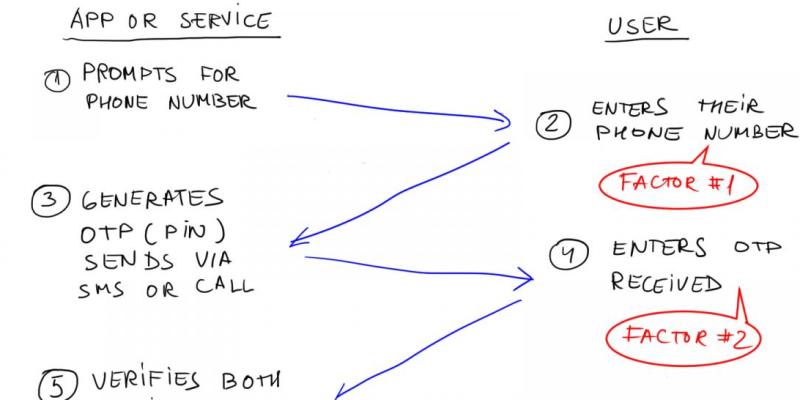
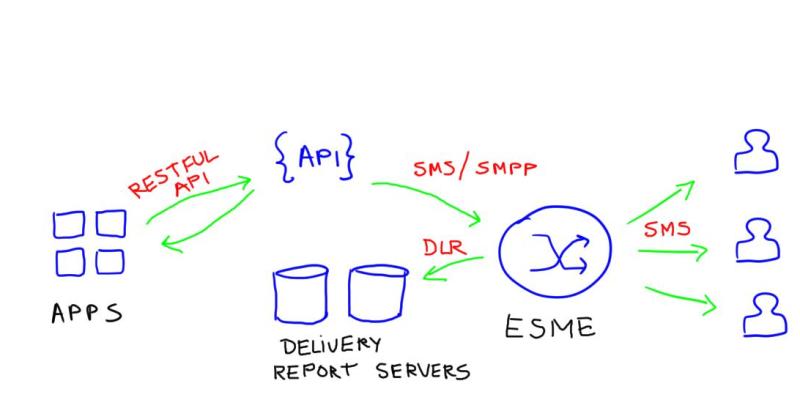
SMS text is still preferred and easiest way to send Two Factor Authentaction credentials. Here is how to do it with API.
Aivis Olsteins
Expert analysis, trends, and thought leadership in telecommunications and enterprise communications
SMS text is still preferred and easiest way to send Two Factor Authentaction credentials. Here is how to do it with API.
Aivis Olsteins
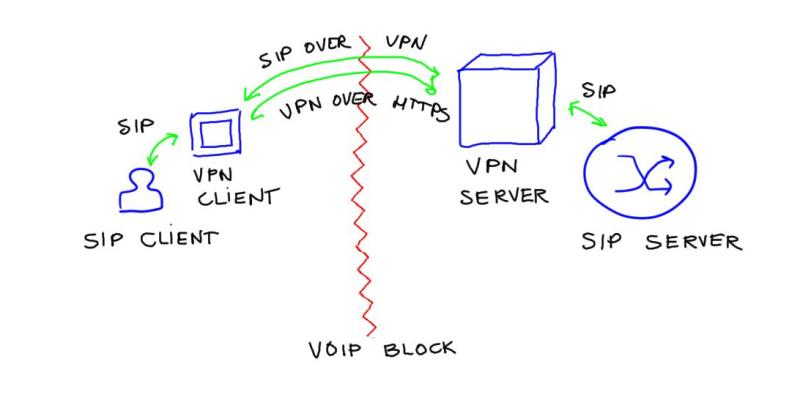
VoIP is still being blocked in many countries, and the list is not getting shorter.
Aivis Olsteins
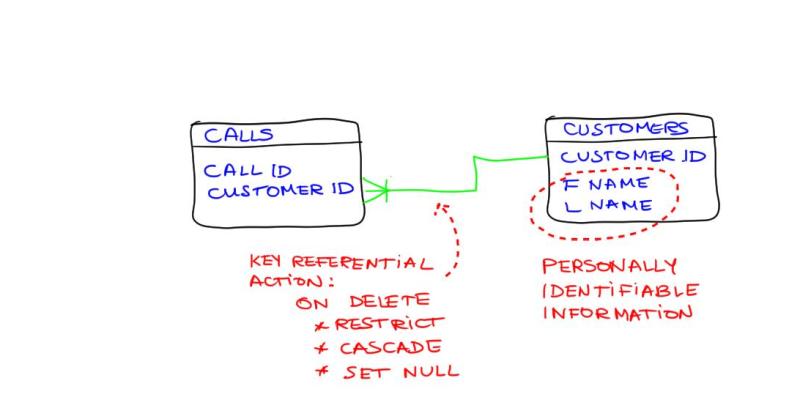
GDPR now requires the entity which possesses personal data on its users to comply with right of erasure, i.e. to delete personal data associated with them completely from the systems.
Aivis Olsteins
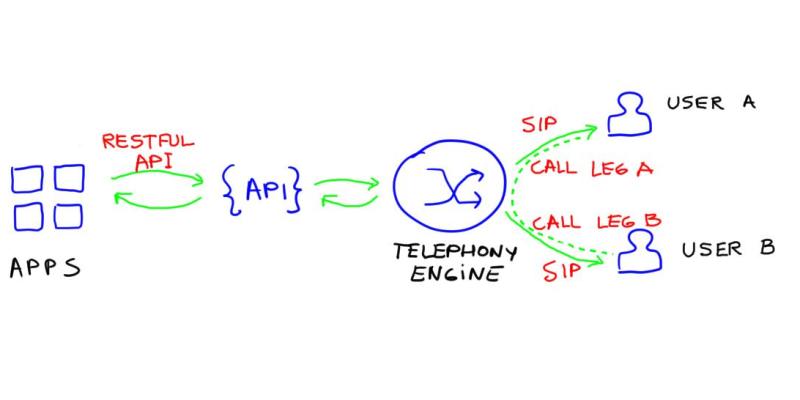
API can be used in the applications like outbound call centers and callback
Aivis Olsteins
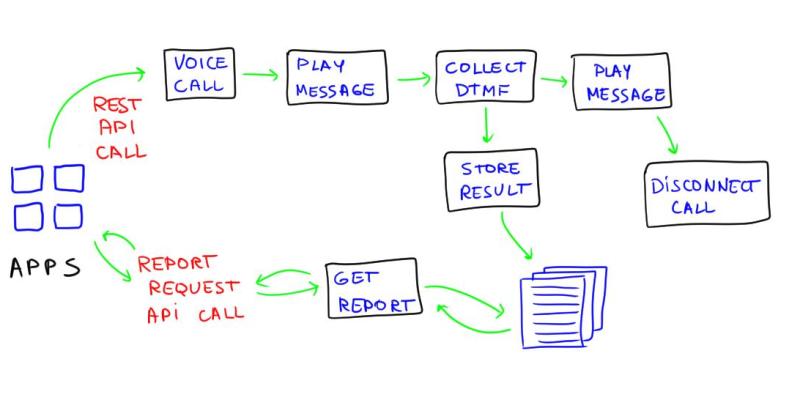
API can do more than just to play a voice file to the user. Here is an example of interactive voice menu with results collection.
Aivis Olsteins
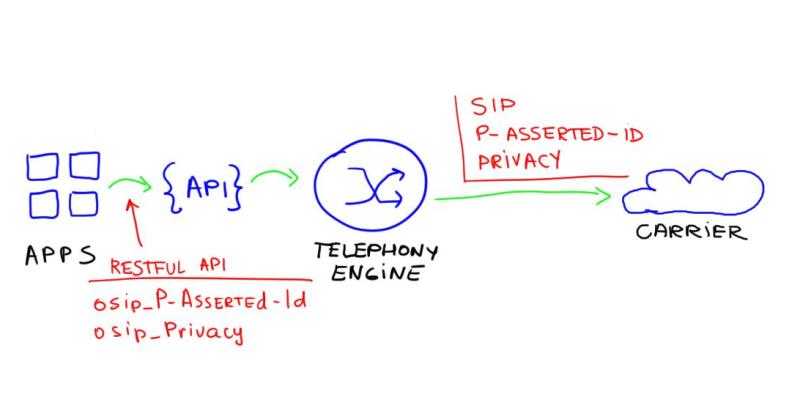
Most carriers now required properly set SIP Identity and Privacy headers. Here is how to set them in the API call.
Aivis Olsteins
Text message is by far most popular method for doing two factor authentication by phone call. But here are some situations where this is not possible and ways to solve it.
Aivis Olsteins
Continuing discussion of Voice telephony API. Setting up carriers with SIP-specific attributes.
Aivis Olsteins
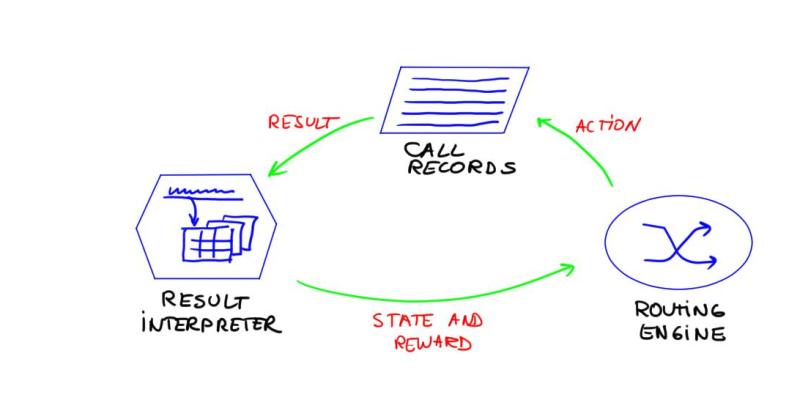
LCR, Quality and priority based routing models may not be enough to build an advanced routing system for VoIP.
Aivis Olsteins
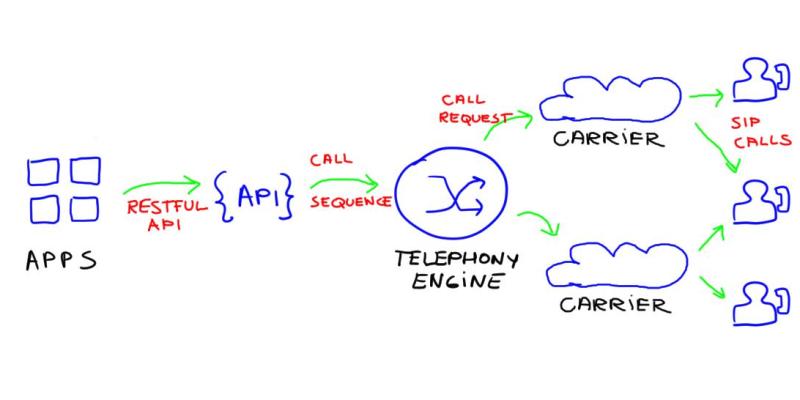
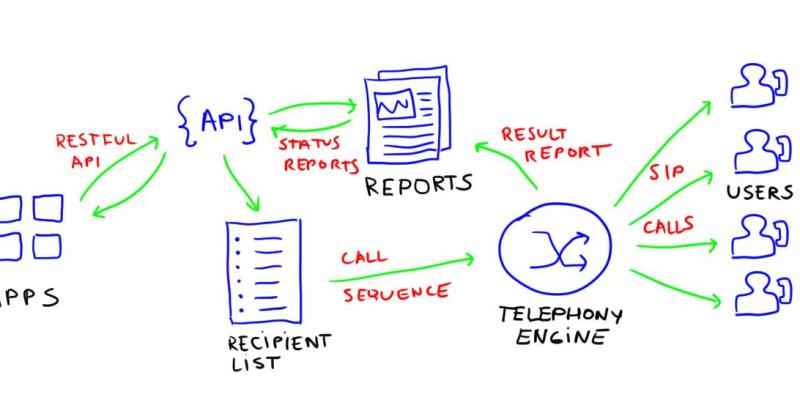
In this post we discuss how to send SIP call to many recipients at a time with only one request and get the result report.
Aivis Olsteins
Reduce Burnout with Voice AI: Offload Repetitive Calls, Real‑Time Agent Assist, 40–80% Less ACW, Calmer Escalations, Healthier Occupancy, Proactive Deflection & PCI‑Safe Flows—Happier Agents, Faster Resolutions, Better Coaching, Faster Ramp
Read MoreGet the latest telecom insights delivered to your inbox
Stay up to date with the latest news and updates from our telecom experts